Source Freestanding Portable Hot Tub for Indoor, Outdoor, and Spa Use
Explore 30 listings for freestanding portable hot tubs with options for indoor, outdoor, and spa applications. Buyers can compare materials like acrylic and artificial stone, along with features such as whirlpool massage and chromatherapy lighting from verified Chinese manufacturers; compare the available evidence and request quotations based on your requirements.
Key considerations
Products List


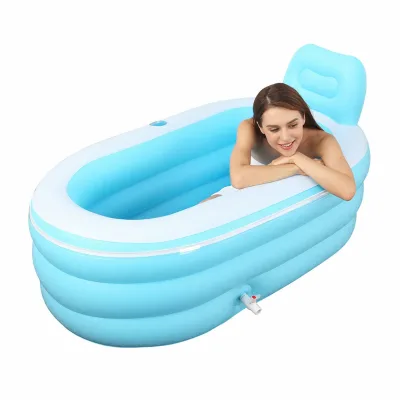
Portable Bathtub for Adult Freestanding Classic Massage Free Standing Bathtub
$525.00 - $548.00
Moq: 500



Comprehensive Sourcing Guide
Freestanding Portable Hot Tub Sourcing Guide
Sourcing freestanding portable hot tubs requires a clear understanding of the diverse product landscape available from manufacturers, particularly those originating from major production hubs like Zhejiang, China. Buyers must navigate a wide array of options that vary significantly in material composition, structural design, and functional capabilities. The market offers units constructed from acrylic, which is a common material for its durability and aesthetic appeal, alongside other options that may utilize artificial stone or composite materials. Understanding these material differences is crucial for determining the longevity and maintenance requirements of the tub.
The structural variety extends from traditional square and oval shapes to more specialized configurations designed for specific installation environments. Some units are designed as freestanding bathtubs with corner or center drain placements, while others are explicitly categorized as hot tubs or spa units with full-body massage functions. This diversity means that procurement teams must carefully align their technical requirements with the specific features offered by suppliers, ensuring that the selected unit meets both the physical space constraints and the desired user experience, whether for indoor relaxation or outdoor entertainment.
Product Scope and Observed Listing Signals
The current market listings for freestanding portable hot tubs reveal a broad price range, typically spanning from approximately $12.90 to $5,800 USD, reflecting the vast differences in quality, size, and feature sets. Minimum order quantities (MOQs) also vary widely, starting from single units for sample orders up to 500 pieces for bulk commercial procurement. This variability allows buyers to scale their orders according to their specific needs, whether they are testing a new product line or fulfilling a large-scale hospitality project. The wide price dispersion underscores the importance of evaluating cost against specific technical specifications and material quality.
Observed product attributes indicate a strong emphasis on customization, with many suppliers offering OEM and ODM services to tailor units to brand specifications. Common features include whirlpool and massage functions, chromatherapy lighting, and full-body massage jets, which are highly sought after in the wellness and leisure sectors. Additionally, the application scope covers both indoor and outdoor use, with some units specifically designed as hot tubs for exterior environments. Buyers should pay close attention to these listed features to ensure they align with their target market’s preferences and usage scenarios.
Technical Specifications to Verify
When evaluating technical specifications, buyers must verify the exact dimensions and capacity of the hot tubs to ensure they fit the intended installation space. Standard sizes observed in the market include dimensions such as 1200-1700mm in length, with specific models like the HT-202G and HT-1001G offering varying footprints. Capacity is another critical factor, with units designed for one or two persons, influencing the overall footprint and water volume requirements. Confirming these physical parameters is essential for logistical planning, including shipping container utilization and on-site installation logistics.
The installation type and control mechanisms are also key technical aspects that require verification. While many units are freestanding, some may feature undermount installations or specific drain placements such as center or corner drains. Control methods often include hand controls for managing water flow and temperature, while advanced models may integrate complex jet systems for massage functions. Buyers should request detailed technical drawings and specifications to confirm the compatibility of these features with their existing infrastructure, ensuring a seamless integration process.
Compliance and Safety Documentation
Compliance with international standards is a non-negotiable aspect of sourcing freestanding portable hot tubs, particularly regarding electrical and structural safety. Buyers should verify that suppliers hold relevant certifications, such as ISO9001 for quality management systems, which indicates a commitment to consistent manufacturing processes. Additionally, specific product certifications may be required depending on the destination market, ensuring that the electrical components and materials used meet local safety regulations. This documentation is crucial for avoiding customs delays and ensuring the product can be legally sold and operated in the target region.
Safety features, such as proper drainage systems and secure electrical connections, must be thoroughly documented and verified. The presence of features like chromatherapy lighting and full-body massage jets adds complexity to the electrical requirements, necessitating rigorous testing and certification. Buyers should request test reports and compliance certificates for all electronic components, including pumps and heaters, to ensure they meet the necessary safety standards. This due diligence helps mitigate risks associated with product liability and ensures a safe user experience.
Cost Drivers and Commercial Terms
Several factors drive the cost of freestanding portable hot tubs, including the material quality, size, and the complexity of the massage and jet systems. Acrylic units with advanced features like chromatherapy and full-body massage tend to be priced higher than basic models. The inclusion of OEM/ODM services also adds to the cost, as it involves custom tooling and design adjustments. Buyers should analyze the cost structure to understand the value proposition of each unit, balancing initial investment with long-term durability and feature set.
Commercial terms, such as lead times and payment conditions, significantly impact the procurement process. Typical lead times for these products range from 15 to 25 days, depending on the order size and customization requirements. Packaging is usually standardized for export, often using carton or wooden crate packaging to ensure safe transit. Buyers should negotiate clear terms regarding shipping, insurance, and after-sales service, which may include a three-year warranty, to protect their investment and ensure ongoing support.
Supplier Qualification and Quality Control
Supplier qualification is a critical step in the sourcing process, requiring a thorough assessment of the manufacturer’s capabilities and reputation. Buyers should verify the supplier’s production capacity, quality control processes, and history of fulfilling similar orders. Suppliers based in regions like Zhejiang, China, often have established supply chains and manufacturing expertise, but it is essential to conduct on-site audits or request third-party inspection reports to confirm their operational standards. This verification helps ensure that the supplier can consistently deliver high-quality products.
Quality control measures should be clearly defined and agreed upon before production begins. This includes specifying inspection points for materials, assembly, and final testing of the hot tub’s functions. Buyers should request samples for evaluation to assess the build quality, finish, and functionality of the jets and controls. Establishing a robust quality control protocol helps minimize the risk of defects and ensures that the delivered products meet the agreed-upon specifications and performance expectations.
Long-Term Procurement Checks
Long-term procurement success depends on establishing strong relationships with suppliers and implementing continuous improvement processes. Buyers should regularly review supplier performance metrics, including on-time delivery rates, product quality, and responsiveness to issues. Maintaining open communication channels allows for timely resolution of any problems and fosters a collaborative partnership. This approach helps ensure a stable supply chain and consistent product quality over time, which is vital for maintaining customer satisfaction and brand reputation.
After-sales service and warranty support are also key considerations for long-term procurement. Buyers should verify the extent of the warranty coverage and the supplier’s ability to provide timely repairs or replacements. A three-year after-sales service, as observed in some listings, indicates a supplier’s confidence in their product’s durability. Ensuring that spare parts are readily available and that technical support is accessible helps minimize downtime and maintenance costs, contributing to the overall value of the procurement investment.
FAQs
Can freestanding portable hot tubs be customized for specific needs?
Yes, customization is available for these units to meet specific buyer requirements. Manufacturers often accept OEM and ODM requests, allowing for tailored designs. This flexibility ensures that the final product aligns with unique aesthetic or functional preferences, providing a personalized solution for diverse market demands.
What certifications do freestanding portable hot tubs typically have?
Many freestanding portable hot tubs carry ISO9001 certification, indicating adherence to quality management standards. This certification assures buyers of consistent manufacturing processes and product reliability. It serves as a key indicator of supplier professionalism and commitment to maintaining high-quality standards throughout the production and supply chain.
How long is the lead time for freestanding portable hot tub orders?
The typical lead time for these orders ranges from 15 to 25 days. This duration allows manufacturers to complete production, quality checks, and packaging. Buyers should account for this timeframe when planning inventory or project schedules, ensuring timely delivery and alignment with broader operational timelines.
What is the standard packaging for freestanding portable hot tubs?
Standard export packing is commonly used to protect these units during transit. This method often includes sturdy carton packaging designed to prevent damage. Proper packaging ensures the product arrives in pristine condition, reducing the risk of defects and ensuring a smooth unboxing experience for the end user or installer.
Which materials are used in freestanding portable hot tub construction?
Acrylic is a primary material used in constructing these hot tubs. This material offers durability, a smooth finish, and resistance to common wear. Its non-porous nature also aids in hygiene and maintenance, making it a preferred choice for both indoor and outdoor applications where longevity is essential.
What capacity options are available for freestanding portable hot tubs?
Capacity options typically include configurations for one or two persons. These sizes cater to different usage scenarios, from personal relaxation to shared enjoyment. Buyers can select the appropriate capacity based on their space constraints and intended user group, ensuring optimal comfort and functionality for their specific needs.